

Changing the transmission fluid in a Dodge Hornet is crucial for maintaining optimal performance. It is generally recommended to change the fluid every 30,000 to 60,000 miles, depending on driving conditions and habits.
Transmission Fluid Maintenance Guidelines
Transmission fluid lubricates the internal components of the transmission, ensuring smooth shifting and preventing wear. Over time, this fluid degrades due to heat and contaminants, leading to potential transmission failure. Regularly changing the fluid can extend the life of the transmission and improve overall vehicle performance.
Recommended Products

For use in 95% of vehicles including most CVTs in operation with US registered light duty applications
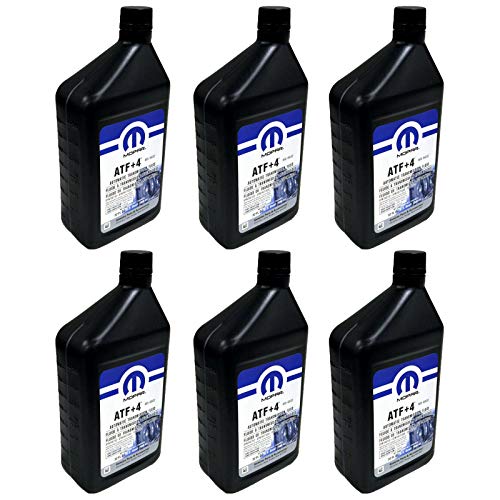
Genuine OEM Dodge/Mopar factory fit part

Backward compatible with previous DEXRON automatic transmission fluids and can be used as a much-improved replacement for older vehicles/transmissions originally using previous DEXRON fluids
Transmission Fluid Change Frequency Guidelines
Understanding the frequency of transmission fluid changes is crucial for maintaining the performance and longevity of your Dodge Hornet. Regularly scheduled fluid changes help prevent costly repairs and ensure smooth operation. The following guidelines provide essential insights into how often you should consider changing your transmission fluid for optimal vehicle health.
The frequency of changing the transmission fluid can vary based on several factors. Here are the recommended intervals based on different driving conditions:
-
Normal Driving Conditions: Change every 30,000 to 60,000 miles.
-
Severe Driving Conditions: Change every 15,000 to 30,000 miles. This includes frequent stop-and-go traffic, towing, or driving in extreme temperatures.
| Driving Condition | Recommended Interval |
|---|---|
| Normal | 30,000 – 60,000 miles |
| Severe | 15,000 – 30,000 miles |
Indicators for Transmission Fluid Change
Understanding when to change the transmission fluid in a Dodge Hornet is crucial for maintaining optimal performance and longevity. Several indicators can signal the need for a fluid change, including unusual noises, slipping gears, or changes in shifting behavior. Recognizing these signs early can help prevent more significant issues down the road.
Monitoring your transmission fluid can help you identify when it needs changing. Look for these signs:
-
Discoloration: Fresh fluid is typically red. Dark or brown fluid indicates degradation.
-
Burnt Smell: A burnt odor suggests overheating and fluid breakdown.
-
Slipping Gears: Difficulty in shifting can indicate low or degraded fluid.
Transmission Fluid Change Procedure
Understanding the proper procedure for changing transmission fluid in a Dodge Hornet is essential for maintaining optimal vehicle performance. Regular fluid changes can prevent costly repairs and ensure smooth operation. This section details the step-by-step process to effectively change the transmission fluid, helping you keep your Hornet in top shape.
Changing the transmission fluid can be done at home with the right tools. Follow these steps for a successful fluid change:
-
Gather Supplies: Obtain the correct transmission fluid, a fluid pump, a wrench set, and a drain pan.
-
Lift Vehicle: Use jack stands to safely elevate the vehicle.
-
Drain Old Fluid: Locate the transmission pan and remove the drain plug to let the old fluid flow into the pan.
-
Replace Filter: If applicable, replace the transmission filter to ensure clean fluid circulation.
-
Add New Fluid: Use a fluid pump to add new transmission fluid through the dipstick tube.
-
Check Levels: Start the engine and let it run for a few minutes. Check the fluid level and add more if necessary.
Essential Tools for Transmission Fluid Change
Changing the transmission fluid in a Dodge Hornet requires specific tools to ensure the process is efficient and effective. Having the right equipment on hand not only simplifies the task but also helps maintain the vehicle’s performance and longevity. Below is a list of essential tools to facilitate a smooth transmission fluid change.
Having the right tools can make the process easier. Here’s a list of essential tools for changing transmission fluid:
-
Fluid Pump: For transferring new fluid.
-
Wrench Set: To remove the transmission pan bolts.
-
Drain Pan: To catch old fluid.
-
Funnel: To avoid spills when adding new fluid.
Transmission Fluid Change Safety Guidelines
When maintaining your Dodge Hornet, understanding the safety guidelines for changing transmission fluid is crucial. Proper procedures not only ensure the longevity of your vehicle but also safeguard against potential hazards during the process. Following these guidelines will help you perform the task efficiently and safely.
Safety is paramount when performing maintenance on your vehicle. Here are some precautions to take:
-
Ensure the vehicle is on a flat surface.
-
Use jack stands to support the vehicle securely.
-
Wear gloves to protect your hands from hot fluid.
Transmission Fluid Change Service Options
When it comes to maintaining the performance of your Dodge Hornet, understanding your transmission fluid change options is crucial. Regularly changing the transmission fluid can help prevent costly repairs and ensure smooth operation. This section outlines the various service options available for changing the transmission fluid in your vehicle.
If you are uncomfortable changing the transmission fluid yourself, consider professional service. A qualified technician can provide a thorough inspection and ensure the fluid is changed correctly. This can prevent costly repairs down the line.
Transmission Fluid Change Recommendations
Regular maintenance of your transmission fluid is vital for the longevity of your Dodge Hornet. Ignoring the recommended change intervals can lead to expensive repairs. Always monitor the condition of the fluid and consult your owner’s manual for specific recommendations.
