

Filling or topping off the transmission fluid in a Dodge Hornet can be done without any tools. This process involves locating the fluid reservoir and using a funnel to add the necessary fluid.
Dodge Hornet Transmission Fluid Reservoir Location
Before proceeding, it is essential to know where the transmission fluid reservoir is located in your Dodge Hornet. The reservoir is typically found near the back of the engine bay, often marked with a dipstick or cap labeled for transmission fluid. Familiarizing yourself with this location will streamline the process of topping off the fluid.
The reservoir is usually a transparent container, allowing you to see the fluid level. If the level is low, topping it off is necessary to ensure smooth operation. Always check the owner’s manual for the exact location and specifications.
Check Transmission Fluid Level
Before you attempt to fill or top off the transmission fluid in your Dodge Hornet, it’s essential to first check the current fluid level. This ensures you add the right amount and type of fluid, maintaining optimal performance and preventing potential damage. Understanding how to accurately assess the fluid level is a crucial step in this straightforward process.
To determine if you need to add fluid, check the current level. This step is crucial for maintaining the health of your transmission.
-
Start the engine and let it run for a few minutes.
-
Shift through all gears to circulate the fluid.
-
Park on a level surface and turn off the engine.
-
Remove the dipstick and wipe it clean.
-
Reinsert the dipstick and remove it again to check the fluid level.
If the fluid is below the recommended level, you will need to add more.
Essential Supplies for Fluid Top Off
To successfully top off the transmission fluid in your Dodge Hornet without the need for tools, it’s important to gather a few essential supplies. These items will ensure that the process is straightforward and efficient, allowing you to maintain your vehicle’s performance with minimal hassle. Here’s what you need to get started.
While no tools are required for this task, you will need a few supplies to ensure a smooth process. Having the right items on hand will prevent any delays.
-
Funnel for pouring fluid
-
Compatible transmission fluid
-
Clean cloth for wiping the dipstick
Ensure that the transmission fluid you purchase meets the specifications outlined in your owner’s manual. Using the wrong type of fluid can lead to transmission problems.
Safely Adding Transmission Fluid Steps
Adding transmission fluid to your Dodge Hornet is a straightforward process that requires no special tools. By following these simple steps, you can ensure your vehicle operates smoothly and efficiently, maintaining optimal performance. This guide will help you safely top off your transmission fluid with ease.
Adding transmission fluid is straightforward. Follow these steps to ensure you do it correctly.
-
Open the hood and locate the transmission fluid reservoir.
-
Insert the funnel into the opening of the reservoir.
-
Pour the fluid slowly into the funnel, checking the level frequently.
-
Remove the funnel and securely close the reservoir cap.
Be cautious not to overfill the reservoir. Overfilling can lead to fluid foaming and transmission issues.
Recommended Products

Note About Funnel Size - Please look at the 2ND picture before ordering. Will this funnel size work for your application? Be aware, it will not hold an entire quart of fluid, and is better suited for small/medium volume fluid changes. For most small to medium sized vehicles, this kit will be adequate for adding up to 5 quarts. If you plan to use this for larger applications (5+ quarts), it may take a bit longer to add all that fluid.

Efficient Transfer: Featuring a wide mouth opening, this funnel allows for quick pouring while minimizing spills and splashes. The carefully designed outlet ensures a controlled flow, minimizing the risk of overflow. It ensures smooth fluid transfer, making the process cleaner and more efficient

INNOVATIVE DESIGN - The shielded tube structure of this oval plastic funnel set prevents any dust or debris from getting in, while the wide neck allows fluid to be poured at any angle.
Transmission Fluid Level Monitoring Tips
Maintaining the proper transmission fluid level is essential for the optimal performance of your Dodge Hornet. Regular monitoring can prevent potential issues and ensure a smooth driving experience. Here are some practical tips to help you keep an eye on your transmission fluid without needing any tools.
Regular checks of the transmission fluid level can prevent potential problems. Keeping an eye on the fluid level ensures that your transmission operates smoothly.
-
Check fluid levels every 3,000 miles or during oil changes.
-
Look for signs of leaks under the vehicle.
-
Monitor for any strange noises or shifting issues.
Addressing low fluid levels promptly can save you from costly repairs.
Transmission Fluid Problem Diagnosis
When it comes to maintaining your Dodge Hornet, understanding transmission fluid issues is crucial for optimal performance. Identifying symptoms of low or contaminated fluid can prevent more serious problems down the line. This section will guide you through the common signs that indicate a need for fluid attention, ensuring your vehicle runs smoothly.
If you experience problems after adding fluid, it may indicate other issues. Understanding these can help you take the right steps.
| Symptom | Primary Suspect | Difficulty (1-5) |
|---|---|---|
| Slipping gears | Low fluid level | 2 |
| Delayed engagement | Fluid contamination | 3 |
| Overheating | Fluid leaks | 4 |
| Erratic shifting | Low fluid level | 2 |
If symptoms persist, consult a professional to diagnose the issue. Ignoring these signs can lead to more severe problems.
Recommended Products
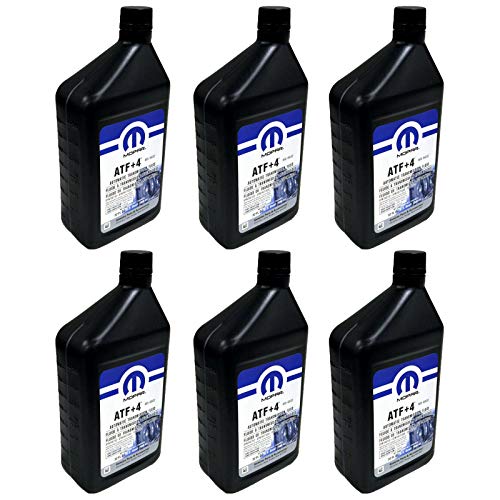
Genuine OEM Dodge/Mopar factory fit part

MOPAR OEM FLUID: This high-quality Mopar Automatic Transmission Fluid (68218925AB) protects against friction and heat, maintaining efficient operation for peace of mind that only Mopar delivers.

The information below is per-pack only
Choosing the Right Transmission Fluid for Dodge Hornet
Selecting the appropriate transmission fluid for your Dodge Hornet is crucial for maintaining optimal performance and longevity. With various options available, it’s important to understand the specific requirements for your vehicle to ensure smooth operation and prevent potential damage. This section will guide you through the key factors to consider when making your choice.
Different types of transmission fluids serve various purposes. Knowing which one to use is vital for your Dodge Hornet.
-
Conventional fluid is suitable for older models.
-
Synthetic fluid offers better performance and protection.
-
Multi-vehicle fluid works for various makes and models.
Refer to your owner’s manual for specific recommendations.
Transmission Fluid Final Check Procedures
Ensuring your Dodge Hornet’s transmission fluid is at the correct level is crucial for optimal performance. This section outlines the final check procedures to confirm that your transmission fluid is filled or topped off properly, all without the need for any tools. Follow these straightforward steps to maintain your vehicle’s health and efficiency.
After topping off the transmission fluid, conduct a final check to ensure everything is functioning correctly.
-
Start the engine and let it run for a few minutes.
-
Shift through all gears again to circulate the fluid.
-
Check for any leaks around the reservoir.
If everything looks good, you have successfully topped off the transmission fluid without any tools.
Recommended Products

SAME TOOL THE DEALER USES:【For select Chrysler Dodge Jeep VW vehicles】Level Measuring tool Designed to check and adjust ATF fluid on your vehicle. / Allows you to check fluid level without going to the Dealer.

[VEHICLE FITMENT] Compatible with 6.7L Cummins Turbo Diesel ONLY: 2007-2010 Dodge Ram 2500/3500 & 2011-2022 Ram 2500/3500. (Warning: Fits 68RFE automatic transmission ONLY. Will NOT fit Aisin transmissions).

[Compatible With]: This Transmission Fluid Dipstick is compatible with Dodge Ram 2500 and 3500 6.7L 68RFE models from 2007 to 2022.
