

Low transmission fluid in a Hyundai Ioniq 6 can lead to serious performance issues. Symptoms include slipping gears, unusual noises, and warning lights on the dashboard. Addressing these signs promptly can prevent costly repairs and maintain vehicle efficiency.
Hyundai Ioniq 6 Low Transmission Fluid Symptoms
Understanding the symptoms of low transmission fluid in the Hyundai Ioniq 6 is crucial for maintaining optimal vehicle performance. Drivers should be aware of specific warning signs that indicate a potential fluid deficiency, as these can lead to more significant issues if not addressed promptly. Recognizing these symptoms early can help prevent costly repairs and ensure a smoother driving experience.
Identifying low transmission fluid is crucial for maintaining the performance of your Hyundai Ioniq 6. Symptoms often manifest as changes in how the vehicle operates. Owners should be vigilant for specific indicators that suggest fluid levels may be insufficient.
| Symptom | Primary Suspect | Difficulty (1-5) |
|---|---|---|
| Slipping gears | Low transmission fluid | 3 |
| Unusual noises | Low fluid or contamination | 4 |
| Warning lights | Sensor issues or low fluid | 2 |
| Overheating | Insufficient lubrication | 5 |
Hyundai Ioniq 6 Gear Slippage Symptoms
Experiencing gear slippage in your Hyundai Ioniq 6 can be a concerning issue, often linked to low transmission fluid levels. Recognizing the symptoms early can help prevent further damage and costly repairs. This section outlines the key signs that indicate your vehicle may be suffering from this problem.
Gear slippage is a common symptom of low transmission fluid. When fluid levels are low, the transmission cannot engage properly, leading to a delay in shifting. This can cause a jerky or unresponsive driving experience.
-
Check the transmission fluid level using the dipstick.
-
Look for a reddish-brown color in the fluid.
-
If the fluid appears dark or has a burnt smell, it may need replacement.
Hyundai Ioniq 6 Noises from Low Transmission Fluid
Low transmission fluid in a Hyundai Ioniq 6 can lead to a range of concerning noises that signal potential issues. Understanding these sounds is crucial for early detection and prevention of further damage. This section explores the specific noises you might encounter and what they indicate about your vehicle’s transmission health.
Unusual noises such as grinding or whining can indicate low transmission fluid. These sounds often occur when the transmission struggles to operate due to insufficient lubrication.
-
Listen for sounds when shifting gears.
-
Pay attention to any noise during acceleration.
-
If noises persist, consider checking the fluid level immediately.
Hyundai Ioniq 6 Dashboard Warning Indicators
The dashboard warning indicators in the Hyundai Ioniq 6 serve as crucial alerts for drivers, particularly regarding low transmission fluid levels. Recognizing these signs can help prevent further damage to the vehicle’s transmission system. Understanding what each warning light signifies is essential for maintaining optimal performance and ensuring a smooth driving experience.
Dashboard warning lights can alert drivers to low transmission fluid levels. If the check engine light or transmission warning light illuminates, it is essential to investigate further.
-
Use an OBD-II scanner to read any error codes.
-
Consult the vehicle manual for specific warning light meanings.
-
Do not ignore these alerts as they can indicate more severe issues.
Hyundai Ioniq 6 Transmission Fluid Overheating Signs
Understanding the signs of low transmission fluid is crucial for maintaining the performance of your Hyundai Ioniq 6. One key issue to watch for is transmission fluid overheating, which can lead to serious damage if not addressed promptly. Recognizing these symptoms early can help ensure your vehicle operates smoothly and efficiently.
Overheating can be a direct result of low transmission fluid. Insufficient lubrication leads to increased friction, causing the transmission to heat up.
-
Monitor the temperature gauge on the dashboard.
-
If overheating occurs, pull over and let the vehicle cool down.
-
Check the transmission fluid level and condition before continuing.
Hyundai Ioniq 6 Low Transmission Fluid Solutions
If you suspect that your Hyundai Ioniq 6 is experiencing low transmission fluid, it’s crucial to address the issue promptly to avoid further damage. This section outlines effective solutions to manage low transmission fluid, helping you maintain optimal performance and ensure the longevity of your vehicle’s transmission system.
Taking immediate action can prevent further damage to your Hyundai Ioniq 6. Follow these steps to address low transmission fluid effectively.
-
Locate the transmission dipstick in your vehicle.
-
Remove the dipstick and wipe it clean with a lint-free cloth.
-
Reinsert the dipstick and remove it again to check the fluid level.
-
Add the appropriate transmission fluid if levels are low.
-
Inspect for leaks around the transmission area.
Recommended Products

For use in 95% of vehicles including most CVTs in operation with US registered light duty applications

Provides outstanding resistance to oxidation, sludge, and varnish deposits at extreme temperatures

GENUINE HYUNDAI OEM TRANSMISSION FLUID – Genuine Hyundai Automatic Transmission Fluid, OEM Part Number 00232-19057, formulated for Hyundai and Kia automatic transmissions requiring Hyundai SP4-M or ATF SP-IV specification fluid.
Hyundai Ioniq 6 Transmission Fluid Check Importance
Maintaining proper transmission fluid levels is crucial for the Hyundai Ioniq 6’s performance and longevity. Regular checks can prevent significant issues, ensuring smooth shifting and optimal efficiency. Understanding the importance of transmission fluid maintenance can help drivers avoid costly repairs and enhance their vehicle’s reliability.
Regularly checking the transmission fluid is essential for vehicle maintenance. Keeping an eye on fluid levels can help prevent issues before they escalate.
-
Schedule routine maintenance checks.
-
Include fluid inspections in your vehicle care routine.
-
Use only the recommended fluid type for your Hyundai Ioniq 6.
Recommended Products

The exact original equipment manufacturer fluid that your vehicle came with; use where nissan cvt ns-3 fluids are required in nissan, infiniti, and other make vehicles

Enhanced friction durability for smooth transmission performance

Backward compatible with previous DEXRON automatic transmission fluids and can be used as a much-improved replacement for older vehicles/transmissions originally using previous DEXRON fluids
Hyundai Ioniq 6 Transmission Fluid Inspection
Regular inspection of the transmission fluid in your Hyundai Ioniq 6 is crucial for maintaining optimal performance. Identifying signs of low transmission fluid can prevent serious damage and ensure a smoother driving experience. Understanding these symptoms will help you take timely action and protect your vehicle’s transmission system.
If symptoms persist after checking the fluid levels, it may be time to seek professional help. A certified technician can provide a thorough inspection and recommend necessary repairs.
-
Look for a qualified mechanic with experience in Hyundai vehicles.
-
Discuss any symptoms you’ve noticed during your visit.
-
Ensure they perform a complete diagnostic check.
Recommended Products

Backward compatible with previous Dexron automatic transmission fluids and can be used as a much-improved replacement for older vehicles/transmissions originally using previous Dexron fluids
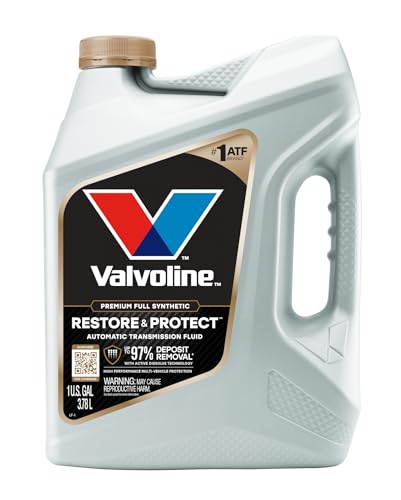
Removes up to 97% of damaging deposits with Active Dissolve Technology
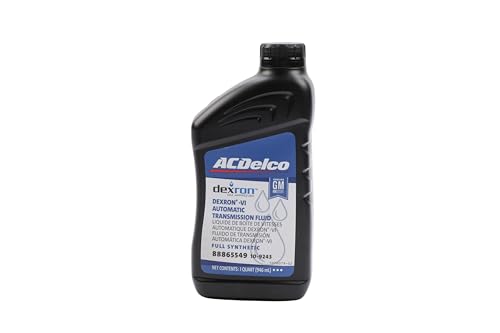
Backward compatible with previous Dexron automatic transmission fluids and can be used as a much-improved replacement for older vehicles/transmissions originally using previous Dexron fluids
Hyundai Ioniq 6 Transmission Fluid Symptoms
Monitoring transmission fluid levels is vital for the health of your Hyundai Ioniq 6. Addressing symptoms early can save you from costly repairs and ensure a smoother driving experience. Regular checks and maintenance can extend the life of your vehicle.
