
Have you ever wondered how your car stays cool while tackling the toughest drives? The engine works hard, generating heat, and without a proper cooling system, things could get messy. Understanding how coolant circulates in your engine can help you appreciate the intricate balance that keeps your vehicle running smoothly.
When you hit the road, coolant plays a crucial role in preventing overheating and maintaining optimal performance. This article will break down the process in simple terms, showing you how coolant moves through your engine and why it’s so important. By the end, you’ll have a clearer picture of this vital system and how to keep it in top shape.
Key Takeaways
- Coolant’s Role: Coolant is essential for regulating engine temperature, preventing overheating, and maintaining optimal performance through effective heat absorption and transfer.
- Key Components: The cooling system includes vital parts such as the radiator, water pump, and thermostat, each contributing to the efficient circulation of coolant.
- Coolant Circulation Process: The cycle starts with coolant absorbing heat from the engine, moving to the radiator for cooling, and returning to the engine, ensuring consistent temperature management.
- Factors Influencing Performance: Temperature variations affect coolant viscosity and flow, while system blockages can disrupt circulation, leading to potential overheating and damage.
- Maintenance Importance: Regularly checking coolant levels, inspecting hoses, and flushing the cooling system is crucial for preventing clogs, preserving engine longevity, and ensuring optimal coolant performance.
Overview Of Coolant Circulation
Coolant plays a crucial role in keeping your engine running smoothly. Understanding how it circulates can help you maintain your vehicle’s performance and prolong its lifespan.
Definition Of Coolant
Coolant, often a mixture of antifreeze and water, transfers heat away from the engine. It’s designed to withstand high temperatures, preventing the engine from overheating. Common types include ethylene glycol and propylene glycol-based coolants, each with specific properties suited to different climates and conditions.
Importance Of Coolant Circulation
Coolant circulation helps maintain optimal engine temperatures, preventing overheating during operation. It absorbs heat from the engine and transfers it to the radiator for cooling. Without proper circulation, critical components can suffer damage, leading to costly repairs.
Regularly checking coolant levels and the condition of hoses ensures your system functions efficiently. Flushing and replacing old coolant also maintains optimal performance. Keeping an eye on these elements helps prevent overheating and enhances engine longevity.
Components Of The Cooling System
You’ll find several key components within the cooling system, each playing a crucial role in coolant circulation. Understanding these parts helps you appreciate how they contribute to maintaining optimal engine temperature.
Recommended Products

REPLACEMENT PART NUMBER:LR048474 LR049990 C2Z28258

Vehicle Fitment: High-Performance Automotive Upgrade Aluminium Engine Water Pump & Thermostat & Upper & Lower Radiator Coolant Hose for BMW 2.5L: 323i(1999-2000), 323Ci(2000), 325i/xi(2001-2005), 325Ci(2001-2006), 525i(2001-2005), X3(2004-2005), Z3(1999-2002), Z4(2003-2005). for BMW 2.8L: 328i(1999-2000), 328Ci(2000), 528i(1999-2000), Z3(1999-2000). for BMW 3.0L: 330i/xi(2001-2005), 330Ci(2001-2006), 530i(2001-2005), X3(2004-2006), Z3(2001-2002), Z4(2003-2005), X5(2001-2006)

Fitment: For K Series K20 K20a K20a2 K20z1 K24A K24Z.(Like RSX ,TSX , Accord , Civic , CR-V.)
Radiator
The radiator is a heat exchanger that cools the hot coolant from the engine. Hot coolant enters the radiator, where it flows through multiple tubes. As air passes over these tubes, heat transfers from the coolant to the air. This process lowers the coolant’s temperature before it returns to the engine. Regularly check for any debris or blockages in the radiator to ensure efficient cooling.
Water Pump
The water pump is responsible for circulating coolant throughout the engine and cooling system. It draws coolant from the radiator, pushes it through the engine, and returns it back for cooling. If the water pump fails, coolant won’t circulate properly, leading to potential overheating. Monitoring the pump for leaks or unusual noises can help catch issues early.
Thermostat
The thermostat regulates coolant flow based on the engine temperature. It opens to allow coolant to flow into the radiator once the engine reaches a specific temperature, preventing overheating. If the thermostat gets stuck in the closed position, it stops coolant circulation, leading to overheating. It’s wise to replace the thermostat as part of routine maintenance to ensure reliable operation.
The Process Of Coolant Circulation
Coolant circulates through the engine to regulate temperature and prevent overheating. Understanding this process clarifies the essential role coolant plays in vehicle performance.
Recommended Products

Sensor-safe, noncorrosive RTV silicone gasket material formulated specifically for water pumps and thermostat housings.Fit Type: Universal Fit


Quality-assured with 100 percent leakage and functional tests of seals, bearings, castings and fully assembled water pump
Coolant Flow Path
Coolant takes a specific path through the cooling system. Initially, it enters the engine’s water jacket, absorbing heat from the engine block and cylinders. Next, it flows to the water pump, which drives it through hoses to the radiator. In the radiator, cool air passes through the fins, reducing coolant temperature. Coolant then returns to the engine to continue the cycle, ensuring consistent heat management.
Engine Heat Absorption
Coolant effectively absorbs heat from the engine. As it flows through the engine’s water jacket, it captures excess heat generated by combustion. A higher temperature signals the thermostat to open, allowing more coolant to flow to the radiator for cooling. This process prevents overheating, safeguarding engine components like the head gasket and pistons. Regular checks of coolant levels help maintain effective heat absorption, ensuring optimal engine performance.
Factors Affecting Coolant Circulation
Coolant circulation plays a vital role in your engine’s efficiency. Several factors influence how effectively coolant moves through your engine, impacting its overall performance.
Recommended Products
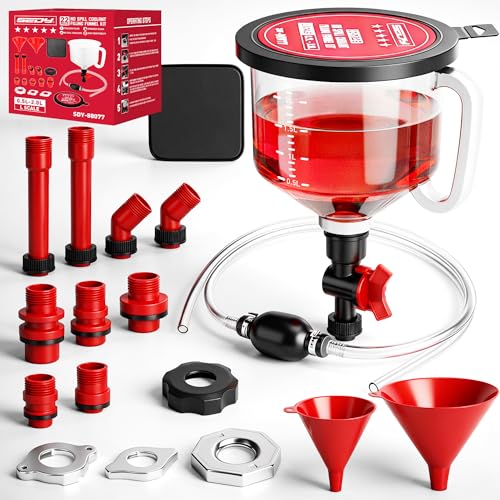
COMPREHENSIVE KIT - Comes with adapters, filler caps, 45° elbows, extenders, a durable transparent antifreeze funnel, circular funnel, siphon hand pump, and more, offering everything you need for a smooth and efficient coolant refill

Design Engineering Radiator Relief Cooling System Flush is a powerful 16 oz treatment designed to clean and flush your engine’s cooling system, removing rust, scale, and deposits to improve radiator efficiency and overall cooling performance.
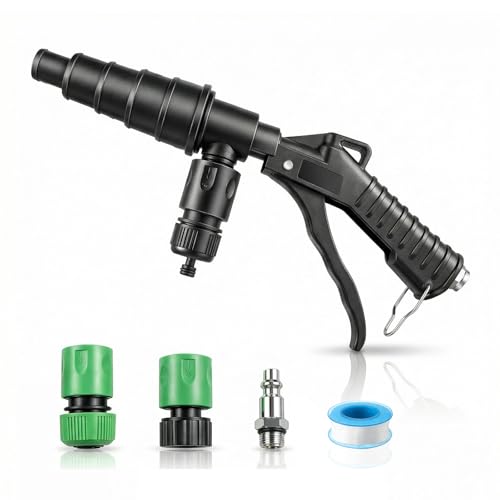
【Heater Core Flush Kit】This heater core flush kit includes 1 coolant flush gun, 3 hose adapters, 1 air line fitting, and a roll of PTFE sealant tape, enabling quick and efficient cleaning of coolant, radiator, or heater core systems.
Temperature Variations
Temperature variations directly affect coolant viscosity. As coolant heats up, it becomes thinner, allowing it to flow more easily. Cooler coolant, however, tends to be thicker and may not circulate effectively. Engine temperature influences the thermostat’s operation too. When the engine reaches a specific temperature, the thermostat opens, allowing coolant to flow to the radiator for cooling. If the engine runs too hot or too cold, it hampers optimal coolant circulation.
System Blockages
System blockages can significantly disrupt coolant flow. Debris, sediment, or rust buildup in the radiator or hoses may block coolant passages. A clogged radiator reduces heat exchange efficiency, leading to overheating. Regularly inspect hoses and the radiator for clogs or leaks to maintain proper circulation. Flushing the cooling system every two years helps remove contaminants and prevent blockages, ensuring consistent coolant flow and effective engine cooling.
Conclusion
Understanding how coolant circulates in your engine is key to keeping your vehicle running smoothly. It’s not just about preventing overheating; it’s about ensuring every component operates efficiently. By maintaining the right coolant levels and keeping an eye on the cooling system, you can avoid costly repairs down the road.
Regular inspections and flushing the system every couple of years will help keep everything in top shape. Remember that a well-functioning cooling system not only enhances performance but also extends the life of your engine. So take care of your coolant and it’ll take care of you. Happy driving!
Frequently Asked Questions
What is the function of a car’s cooling system?
The cooling system in a car prevents the engine from overheating. It circulates coolant, which absorbs excess heat from the engine and transfers it to the radiator for cooling. This process ensures optimal engine performance and helps protect vital components from damage.
What is coolant made of?
Coolant is a mixture of antifreeze and water. Common types of antifreeze include ethylene glycol and propylene glycol. This mixture helps to lower the freezing point and raise the boiling point of the liquid, enhancing its effectiveness in temperature regulation.
How does coolant circulate through the engine?
Coolant circulates through the engine by moving from the water jacket, where it absorbs heat, to the water pump and then to the radiator for cooling. After cooling, it returns to the engine to repeat the process, maintaining optimal temperature.
What role does the thermostat play in the cooling system?
The thermostat regulates the flow of coolant based on the engine’s temperature. It opens and closes to either allow or restrict coolant flow, ensuring that the engine doesn’t overheat by controlling the coolant’s passage to the radiator.
How can I maintain my car’s cooling system?
To maintain your car’s cooling system, regularly check coolant levels, inspect hoses for leaks, and flush old coolant every two years. This helps prevent blockages and ensures effective cooling performance, enhancing engine longevity.
What factors can affect coolant circulation?
Factors affecting coolant circulation include temperature variations and viscosity. As coolant heats up, it becomes thinner and flows more easily. However, if it cools down too much, it can thicken, hindering circulation, potentially leading to overheating.
What are common signs of cooling system issues?
Common signs of cooling system problems include overheating engines, coolant leaks under the vehicle, low coolant levels, and issues with the temperature gauge. Addressing these signs promptly can prevent serious engine damage.
How often should I flush my car’s cooling system?
It’s recommended to flush your car’s cooling system every two years. This helps remove debris and sediment that can block coolant flow, ensuring the cooling system operates efficiently and maintains optimal engine temperatures.
