

Have you ever noticed a coolant leak and wondered if there’s a quick fix? You’re not alone. Many drivers face that sinking feeling when they spot a puddle under their car and start searching for solutions.
Using stop leak products might seem like an easy way to seal those pesky leaks, but is it really safe for your coolant reservoir? In this article, you’ll learn about the pros and cons of using stop leak, how it works, and what to consider before making a decision. By the end, you’ll have the information you need to make the right choice for your vehicle.
Key Takeaways
- Understanding Stop Leak Products: Stop leak products are designed to seal minor coolant leaks with a mix of fibers, adhesives, and fillers, offering a quick solution for small issues.
- Temporary Solution: While stop leak can address minor leaks effectively, it is not a substitute for professional repairs and is meant as a temporary fix.
- Cost-Effectiveness: Using stop leak is generally more affordable than extensive repairs, making it an attractive option for quick fixes to minor leaks.
- Limitations: Stop leak is not effective for major leaks and can lead to system clogging, complicating future repairs due to residues left in the cooling system.
- Signs of a Leak: Signs such as low coolant levels, puddles under the vehicle, overheating engines, and a coolant smell indicate the presence of a leak and the potential need for stop leak.
- Evaluate Severity: Assess the leak’s severity by examining the location, coolant loss rate, and engine performance to determine if stop leak is a suitable solution.
Understanding Stop Leak Products
Stop leak products offer a potential solution for coolant leaks, specifically by sealing gaps in the cooling system. This section provides an overview of these products, including their function and effectiveness.
What Are Stop Leak Products?
Stop leak products are chemical solutions designed to seal leaks in automotive cooling systems. These products typically contain a mix of fibers, adhesives, and fillers, which work together to plug small holes or cracks in components like the radiator or coolant reservoir. Common types include liquid additives that blend into the coolant, as well as pellet or powder forms that may require introduction into the system.
How Do They Work?
Stop leak products work by flowing into the cooling system and targeting leaks as the engine heats up. When the system warms, the additives expand and seal gaps, forming a solid barrier to prevent coolant loss. This process can halt minor leaks effectively but may not address severe damage. Successful sealing often depends on leak size and the specific formulation of the product. For best results, follow the manufacturer’s instructions and ensure the engine’s operating temperature is reached during application.
Can I Put Stop Leak in My Coolant Reservoir?
Yes, you can put stop leak in your coolant reservoir. Stop leak products help seal coolant leaks, potentially saving you from more extensive repairs. However, understanding the reasons for using these products and their potential risks is crucial.
Recommended Products
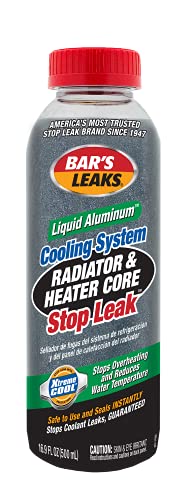
Bar's Leaks Liquid Aluminum Stop Leak seals radiator leaks. Seals freeze plug leaks. Repairs gasket leaks and heater core leaks. Lowers water temperature.

FIX IT FAST: Our multi-purpose solution works in minutes to quickly seal leaks in the radiator, head gasket, freeze plugs, block, heater matrix & water pump. Fixes most leaks in water-cooled engines

PERMANENTLY FIXES COOLING SYSTEM LEAKS: . One step formula permanently repairs coolant loss problems on cars, trucks, vans, SUV’s and RV’s.
Reasons for Using Stop Leak
- Cost-Effective Solution: Using stop leak is often cheaper than a full coolant system repair. It can save you money on labor and parts.
- Quick Fix: If you’re facing an unexpected leak, stop leak provides a fast way to address the issue. Many products work within minutes, letting you drive with confidence soon after application.
- Minor Leak Sealing: Stop leak excels at sealing small leaks. If you notice a slow drip or minor leak, this product can often stop the coolant loss effectively.
- Temporary Solution: In case of an urgent situation, stop leak serves as a temporary fix. It can buy you time while you save for a more permanent repair.
- Not for Major Leaks: Stop leak products may not work on significant leaks or severe damages. You might still need professional repair if your leaks are large.
- System Clogging: In some cases, stop leak can cause blockages in the cooling system. This blockage could lead to overheating and require flushing the entire system.
- Interference with Repairs: If you decide on future repairs, stop leak can complicate the process. Mechanics may need to work harder to remove the residue left by these products.
- Variable Quality: The effectiveness of stop leak varies by brand and formulation. Always research products and read reviews before purchasing to ensure you choose a reliable option.
Alternatives to Stop Leak
If stop leak isn’t the right choice for your coolant issues, several effective alternatives exist.
Recommended Products

DISSOLVED PELLETIZED FORMULA: Bar’s Leaks Radiator Stop Leak seals internal, external and coolant-to-oil leaks. It is specially formulated to seal larger leaks better than other stop leak products.

PROFESSIONAL STRENGTH FORMULA: Bar's Leaks Radiator Stop Leak Tablets inhibit the formation or rust and scale, neutralize pH imbalance, controls electrolysis, lubricates and seals internal, external and coolant-to-oil leaks.

LIQUI MOLY Radiator Stop-Leak completely seals such leaks immediately with ease
Professional Repairs
Professional repairs provide a reliable solution for serious coolant leaks. Techniques such as replacing a damaged radiator, hose, or gasket ensure long-lasting results. Skilled mechanics diagnose the problem accurately, offering services tailored to your vehicle’s needs. Expect the repair to restore your cooling system’s efficiency and reliability. Many shops guarantee their work, which adds extra peace of mind.
Temporary Solutions
Temporary solutions offer quick fixes until a permanent repair is possible. Methods include using duct tape to seal small leaks or adding water to the coolant reservoir if coolant levels drop. Carrying a bottle of water in your vehicle can help manage leaks in emergencies. While these fixes don’t replace proper repairs, they can prevent overheating and further damage. Always address the underlying cause promptly for long-term vehicle health.
When to Use Stop Leak in the Coolant Reservoir
You can consider using stop leak products when you notice coolant leaks in your vehicle’s cooling system. These products provide a temporary solution to minor leaks, but certain indicators determine their appropriateness.
Recommended Products

FIX IT FAST: Our multi-purpose solution works in minutes to quickly seal leaks in the radiator, head gasket, freeze plugs, block, heater matrix & water pump of heavy duty vehicles. Fixes most leaks in water-cooled engines

Engineered by automobile and chemistry experts, this Radiator Stop Leak Sealer ensures your car's cooling system runs smoothly

Allows color matching of caps for dedicated adapters.
Signs of Radiator Leaks
You might observe several signs that indicate radiator leaks. Look for:
- Low Coolant Levels: Regularly checking the coolant reservoir can help catch low levels early. If you find a consistent drop in coolant, a leak may be the culprit.
- Puddles Under the Vehicle: If you notice green or orange fluid pooling underneath your car, this often points to a coolant leak.
- Overheating Engine: An engine that overheats can signal a coolant leak. Low coolant levels lead to insufficient cooling, resulting in high temperatures.
- Steam or Coolant Smell: If you see steam rising from the engine bay or smell coolant, a leak may be present.
Evaluating the Severity of the Leak
You’ll need to assess the severity of the leak before using stop leak. Follow these steps:
- Examine the Leak Location: Inspect the area near the radiator and hoses. Small, weeping leaks may benefit from stop leak, while large, gushing leaks typically require professional repair.
- Check the Coolant Loss Rate: If you lose a small amount of coolant over time, you might use stop leak effectively. Rapid loss indicates a more severe issue where you should seek repairs.
- Monitor Engine Performance: If the engine shows signs of trouble, such as overheating or poor performance, a more serious fix may be necessary.
- Inspect for Residue: Look for crusty residue around potential leak sites. This can signal an ongoing issue that would need more than just a temporary fix.
By identifying signs of a radiator leak and evaluating its severity, you can make an informed decision about using stop leak in your coolant reservoir.
Conclusion
Deciding whether to use stop leak in your coolant reservoir can be a tricky choice. If you’ve got a minor leak and you’re looking for a quick and cost-effective fix it might be worth a shot. Just remember to keep an eye on your coolant levels and monitor your engine’s performance.
For more serious leaks or ongoing issues it’s best to consult a professional. They can provide a thorough diagnosis and ensure your vehicle stays in top shape. Ultimately you want to prioritize the health of your engine and find a solution that works for you.
Frequently Asked Questions
What is a coolant leak?
A coolant leak occurs when the fluid responsible for regulating your vehicle’s engine temperature escapes from the cooling system. This can lead to overheating and engine damage if not addressed promptly.
What are stop leak products?
Stop leak products are chemical solutions designed to seal small leaks in automotive cooling systems. They contain fibers, adhesives, and fillers that work to plug holes in components like radiators or coolant reservoirs.
How do stop leak products work?
Stop leak products flow into the cooling system and target leaks as the engine heats up. This process causes the product to form a solid barrier, preventing coolant from escaping and reducing losses.
When should I use stop leak?
Stop leak should be used for minor coolant leaks. It’s suitable for small cracks or holes, but it’s not a solution for major leaks or significant damage in the cooling system.
Are there any downsides to using stop leak?
Yes, potential downsides include clogging the cooling system and complicating future repairs. It may also not be effective for larger leaks, so it’s essential to assess the severity of the leak before using it.
What are alternatives to stop leak?
Alternatives to stop leak include professional repair services for serious leaks, temporary solutions like duct tape for small leaks, or simply adding water to the coolant reservoir until permanent repairs can be made.
How can I identify a coolant leak?
Signs of a coolant leak include low coolant levels, puddles under the vehicle, an overheating engine, and unusual smells or steam coming from under the hood. Regular inspection can help catch leaks early.
Is using duct tape a viable short-term solution?
Duct tape can be a temporary fix for small leaks but is not a long-term solution. It’s crucial to address the underlying problem to prevent further damage to your vehicle’s cooling system.
